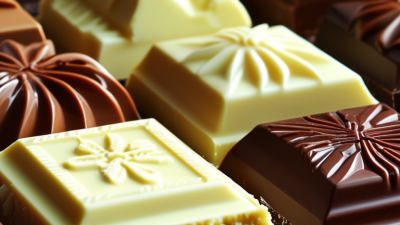
China’s chocolate coin market offers more variety than many buyers expect. Traditional milk chocolate coins remain popular because they taste creamy and suit children’s gifts. Dark chocolate coins attract buyers seeking deeper cocoa flavor and less sweetness. White chocolate coins provide a smooth, vanilla-like profile. They are visually bright, too.
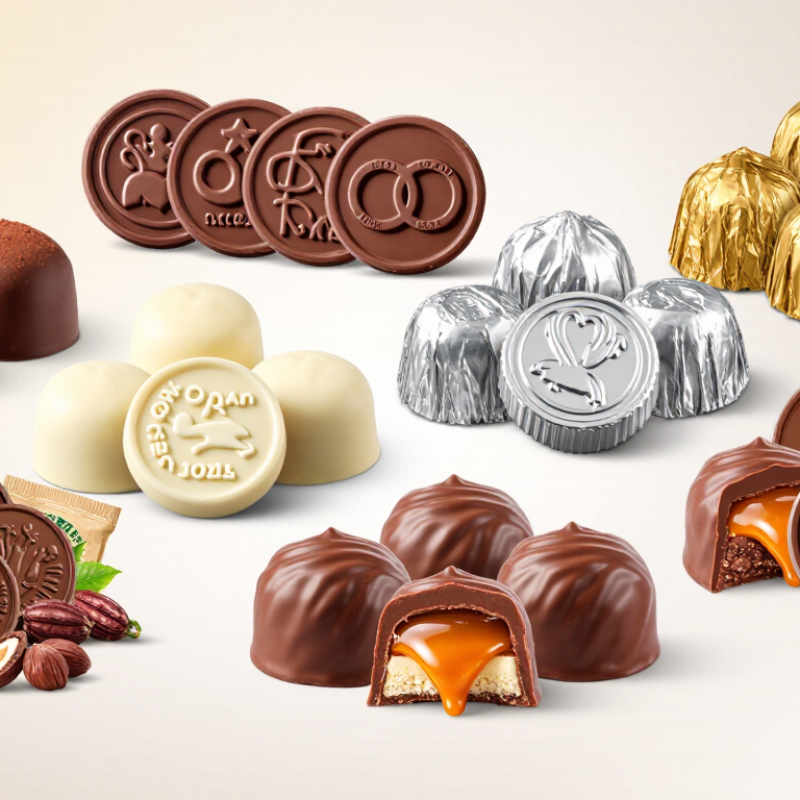
Other options include gold-foil coins, silver-foil coins, embossed coins, personalized coins, filled coins, vegan coins, and organic-certified coins. Each type serves a different purchasing purpose. Gold foil creates a festive display. Embossing adds brand recognition. Personalization supports weddings, corporate events, and seasonal campaigns. Filled centers, such as hazelnut or caramel, offer a more memorable bite.
Chocolate educator Clay Gordon has said, “The best chocolate is the one you enjoy.” That simple view matters when comparing Chocolate Coins. A glossy surface does not guarantee balanced flavor. Buyers should inspect cocoa percentage, ingredient clarity, foil contact safety, package sealing, and production dates. Texture matters. A clean snap usually suggests careful tempering, although it is not perfect proof.
This guide compares ten leading Chocolate Coins types available to buyers in China. It considers flavor, appearance, customization, packaging, and practical purchasing value. Some choices may look impressive but perform poorly in warm storage. Others seem plain yet deliver better repeat sales. That is easy to overlook.
The ranking is not absolute. Buyer goals differ. A retailer may prioritize shelf life, while an event planner may value presentation. Small details often decide the final choice.
What Are China’s Top 10 Chocolate Coin Types for Buyers?
Define Chocolate Coins by Cocoa Content, Size, Packaging, and Buyer Use
Chocolate coins are easier to compare when buyers separate flavor from format. The ten common types include white-style, milk, 30%, 45%, 55%, 70%, mini, standard, foil-wrapped, and bulk coins. White-style coins usually contain cocoa butter, not cocoa solids, so the label deserves attention. Milk coins taste creamy and mild. Dark coins above 55% deliver a firmer cocoa character with less sweetness.
Size changes both cost and serving control. Mini coins suit party favors, tasting sets, and children’s portions. Standard coins work better for dessert decoration and everyday gifting. I have found that buyers often underestimate the importance of thickness. A thick coin melts slowly, while a thin coin gives a quicker sensory experience. This small detail matters.
Packaging should match the buyer’s use. Individually wrapped coins improve hygiene and reduce handling during events. Clear bags display color, but they may offer less protection from heat and light. Sealed cartons suit storage and transport, while bulk packs help bakeries control unit cost. Check net weight, ingredient order, cocoa percentage, allergen details, and production dates before comparing prices. Cocoa percentage is useful, but it does not prove superior quality by itself. I once judged a coin by its darker color and found the flavor surprisingly flat. That mistake still seems worth remembering.
China’s chocolate coin market is best read by recipe, not color. The ten practical types are solid dark, solid milk, solid white, filled dark, filled milk, filled white, compound dark, compound milk, crisped-rice compound, and nut-filled compound coins. Dark coins suit buyers seeking stronger cocoa notes. Milk coins offer softer sweetness and a smoother melt. White coins contain no cocoa solids, so their flavor depends on cocoa butter, milk, and sugar.
Filled coins add a center of caramel, praline, fruit paste, or cream. The center matters. A coin may look premium but melt unevenly. Compound coins replace some cocoa butter with other vegetable fats. They usually cost less and resist warm warehouse conditions. That can help seasonal purchasing, although the mouthfeel may be waxier. Crisped-rice versions add a sharp bite, while nut-filled coins create visible texture and a heavier eating experience.
Grand View Research estimated the global chocolate market at about USD 119.39 billion in 2023. Its 2024 outlook also identifies product variety and premium formats as growth factors. China buyers should still check cocoa percentage, filling weight, allergen statements, fat type, and storage temperature. These details affect value more than decorative foil. Reported market categories rarely isolate chocolate coins, so exact China coin rankings remain difficult to verify. This classification is useful, but not perfect. Seasonal gift demand can change the order quickly.
| No. | Chocolate Coin Type | Typical Composition | Taste and Texture | Common Buyer Uses | Key Buying Considerations |
|---|---|---|---|---|---|
| 1 | Classic Dark Chocolate Coins | Usually about 50%–85% cocoa solids, with cocoa butter and sugar; milk ingredients are generally absent. | Cocoa-forward, ranging from moderately bittersweet to intensely bitter, with a firm snap and smooth melt. | Baking, chocolate decoration, tasting portions, gift packaging, and premium event favors. | Check cocoa percentage, sugar level, tempering quality, and possible milk cross-contact. |
| 2 | Standard Milk Chocolate Coins | Commonly contains cocoa solids, cocoa butter, sugar, and milk powder or other milk ingredients; cocoa content often falls around 25%–45%. | Creamy, sweet, and mild, with a softer bite and pronounced dairy notes. | Children’s treats, seasonal decorations, party favors, retail pouches, and general gifting. | Review milk allergen information, sweetness, coin thickness, and resistance to bloom. |
| 3 | White Chocolate Coins | Made primarily with cocoa butter, sugar, and milk ingredients; it contains no cocoa solids, although it retains cocoa butter. | Sweet, milky, and vanilla-like, with a delicate snap and creamy melt. | Color-sensitive decorations, dessert toppings, wedding favors, and molded confectionery. | Confirm cocoa butter content, whiteness, vanilla flavoring, milk allergens, and heat stability. |
| 4 | Caramel-Filled Chocolate Coins | A chocolate shell surrounding soft, chewy, or flowing caramel made from sugar, glucose syrup, dairy ingredients, and fat. | Buttery, toasted, and sweet, with a contrast between the chocolate shell and caramel center. | Premium gift assortments, impulse confectionery, holiday packs, and dessert garnishes. | Evaluate filling leakage, water activity, shelf life, package protection, and dairy allergen labeling. |
| 5 | Nut Praline-Filled Coins | Chocolate filled with a paste or cream made from roasted nuts, sugar, and sometimes cocoa or milk ingredients. | Roasted, nutty, and rich, with either a smooth gianduja-style center or fine crunchy particles. | Gourmet assortments, corporate gifts, bakery decoration, and premium snack packs. | Declare tree-nut or peanut allergens, check particle size, and verify filling stability during transport. |
| 6 | Fruit-Cream-Filled Coins | Chocolate shells containing fruit puree, fruit paste, jelly, or flavored cream; centers may use sugar, pectin, dairy, or plant-based ingredients. | Sweet-tart and aromatic, adding a soft or gel-like center to the chocolate’s firm shell. | Seasonal gift boxes, dessert decoration, novelty snacks, and flavor assortments. | Check fruit percentage, filling moisture, shelf-life validation, color stability, and preservative declarations. |
| 7 | Mint or Coffee-Flavored Coins | Dark, milk, or white chocolate flavored with natural extracts, essential flavor components, coffee solids, or inclusions. | Distinctive mint freshness or roasted coffee aroma, with a clean finish and standard chocolate snap. | After-dinner treats, hospitality gifts, tasting sets, and specialty retail assortments. | Check flavor intensity, extract type, caffeine disclosure where applicable, and aroma retention in packaging. |
| 8 | Crispy or Puffed-Grain Coins | Chocolate combined with crisped rice, puffed grains, biscuit pieces, or other low-moisture inclusions. | Light, crunchy, and texturally varied, with a chocolate coating or chocolate matrix. | Snack packs, children’s products, promotional giveaways, and mixed confectionery bags. | Assess crunch retention, breakage rate, inclusion distribution, moisture barrier, and gluten or cereal allergens. |
| 9 | Compound-Coating Chocolate Coins | Uses vegetable fat or another non-cocoa-butter fat as a significant substitute for cocoa butter; cocoa powder may provide chocolate flavor. | Sweet and chocolate-like, usually with a firmer or waxier melt and stronger heat resistance than couverture chocolate. | Large-volume baking decoration, enrobing, molded items, school events, and cost-sensitive promotions. | Compare fat type, melting profile, flavor, coating performance, labeling requirements, and ambient-temperature durability. |
| 10 | Sugar-Free or Reduced-Sugar Coins | Uses sweeteners such as maltitol, erythritol, stevia blends, or other permitted alternatives, depending on the formulation. | Chocolate flavor with sweetness and cooling or digestive effects that vary by sweetener; texture may be softer or more brittle. | Special-diet assortments, portion-controlled snacks, gifting, and reduced-sugar product lines. | Verify nutrition claims, approved sweeteners, possible laxative warnings, allergen statements, and aftertaste. |
Note: Composition ranges and sensory descriptions are typical industry guidelines. Exact specifications vary by recipe, local food regulations, coin size, packaging, and intended application.
For buyers comparing China’s top ten chocolate coin types, cocoa ratio is a practical starting point. Common options include dark coins at 70%, 55%, and 40% cocoa solids, milk chocolate, white chocolate, compound chocolate, filled coins, nut coins, fruit-flavored coins, and low-sugar varieties. Higher cocoa content often brings deeper bitterness and a firmer finish. It does not automatically prove better quality. Ingredient order matters too.
ICCO supply data can add useful market context. Cocoa shortages may pressure costs, but they cannot verify one product’s recipe. Compare the declared cocoa percentage, cocoa butter use, sugar level, and serving size. GB 28050 mainly governs nutrition labeling in China. It supports checks on energy, fat, saturated fat, carbohydrate, sugars, and sodium. It does not itself certify a coin’s cocoa ratio. Buyers should read the full Chinese label, production date, storage advice, and allergen information.
Tips: Keep a simple comparison sheet. Record cocoa solids, sugars, fat, pack weight, and price per 100 grams. Check whether “cocoa powder” appears before vegetable fat. A 70% coin can still taste harsh or overly sweet. Personal preference matters. I have found that smaller coins melt more quickly, which can exaggerate sweetness during tasting. That is worth reconsidering. Supply figures also change, so older ICCO data may give only a rough purchasing signal.
What Are China’s Top 10 Chocolate Coin Types for Buyers?
Euromonitor China market data suggests that demand favors affordable, giftable formats. The ranking below combines estimated demand strength, common pack sizes, and retail price bands. Mini foil-wrapped coins rank first, usually in 20–50 gram packs priced around RMB 5–12. They suit impulse purchases and children’s gift bags. Second are 100-gram resealable pouches, priced near RMB 15–30, with stronger household appeal. Third come 200-gram festive bags, often selling for RMB 30–55.
Fourth place goes to 300-gram decorative tins, usually priced between RMB 45 and RMB 85. Fifth are 500-gram family jars, where value improves but purchase frequency may decline. Sixth are premium dark-chocolate coin boxes, commonly packed at 80–150 grams and priced from RMB 35 to RMB 75. Seventh are milk-chocolate coin tubes, offering convenient storage and moderate demand. Their typical price is RMB 12–28. Eighth are mixed-flavor assortments, often 150–250 grams, priced around RMB 30–65.
Ninth are red-envelope-style packs, mainly purchased during seasonal gifting periods. Tenth are novelty packs with small coins, usually below 80 grams and priced under RMB 20. Demand can rise sharply around festivals, so annual rankings may hide seasonal changes. Price comparisons also need care. Online discounts, delivery fees, and regional income levels distort simple averages. Euromonitor provides a useful market framework, but buyers should validate current shelf prices before placing large orders. Packaging preferences remain difficult to predict. Some shoppers still choose appearance over chocolate weight.
What Are China’s Top 10 Chocolate Coin Types for Buyers?
China’s chocolate coin market serves gifting, festivals, baking, and collecting. ICCO’s 2023/24 Annual Report estimated global cocoa grindings at about 4.85 million tonnes. Statista Market Insights also valued global chocolate confectionery revenue above US$120 billion in 2024. These figures show strong demand, but they do not guarantee equal quality.
For everyday gifting, milk chocolate coins offer a familiar, creamy taste. Dark chocolate coins suit adult gifts and lower-sugar preferences. White chocolate coins work well in children’s gift bags. Ruby-style coins add color for weddings and themed events. Hazelnut and almond coins provide a richer texture for family sharing. Caramel coins fit festive trays, especially with gold or red foil. Mint coins feel cleaner after heavy meals. Orange coins bring a bright seasonal note. Couverture coins are the practical choice for baking, because they melt more evenly and can coat cakes or biscuits. Keep them dry.
Collectors may prefer numbered wrappers, embossed designs, or coins showing traditional Chinese symbols. Packaging matters here. A scratched surface reduces appeal. Cocoa percentage, ingredient order, net weight, and foil sealing deserve inspection. The China Chocolate Market report by Mordor Intelligence identifies premiumization as a continuing market trend, though retail categories overlap. That weakness matters. A “premium” appearance may hide average cocoa content. I would compare weight against price, then test one coin before buying in bulk. Small details often decide the real value.
Compare common chocolate coin types by their practical suitability for gifting, festivals, baking, and collecting. Scores use a 1–5 buyer-fit scale based on typical flavor, format, meltability, and presentation characteristics.
Milk, dark, foil-wrapped novelty, and filled coins are commonly chosen for gifting and festivals. Couverture, semisweet, bittersweet, and compound coins are generally more practical for baking, while decorative or foil-wrapped formats are strongest for collecting and display.