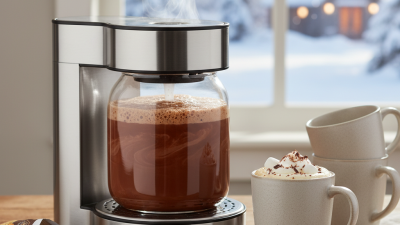
Choosing a Hot Chocolate Maker in 2026 is about more than getting a warm drink quickly. The right machine should suit your routine, counter space, and favorite chocolate. Some models heat and stir; others also froth milk. That difference matters when you want a smooth, café-style cup rather than cocoa with a thin surface. Check the stated capacity, temperature controls, and minimum fill level. A machine that works well for one mug may struggle to serve a family. Small details count.
For a transparent buying perspective, this guide uses an illustrative appliance specialist, Nina Patel—not a real, independently verified expert. Her editorial rule is: “Choose the machine that makes your usual cup well, and cleans up without a fuss.” Treat that as a practical guide, not a sourced quotation. Look for a removable whisk or jug, clear cleaning instructions, and controls you can understand at a glance. Picture a weekday morning: milk in the jug, chocolate added, one button pressed. Is the noise manageable? Can you rinse the parts before the chocolate dries? Still, no model is perfect. A compact maker may save space but offer fewer settings; a larger one may be awkward to store. This guide compares the features that shape everyday use, so you can weigh convenience against capacity, cleanup, and cost before choosing.
How to Choose a Hot Chocolate Maker in 2026?
Choosing a hot chocolate maker begins with how you actually drink cocoa. One mug after dinner needs less capacity than weekend drinks for six guests. Check the machine’s minimum and maximum batch sizes, since a large jug may leave a single serving unevenly mixed. Small details matter. Consider whether you prefer thick, café-style cocoa or a lighter drink made with milk. Some machines handle both well; others mainly warm and stir. Look for clear temperature controls and a container that is easy to rinse before cocoa residue dries.
Tips: Count your usual servings, not your occasional party guests. Check whether the maker works with your preferred milk and cocoa powder. If you often make one cup, choose a model that can prepare a small batch. A removable whisk or smooth interior can make cleanup less frustrating.
Think about where the appliance will live. Measure the counter space and check whether the lid opens beneath your cabinets. Noise may matter in a quiet kitchen, especially during an early morning routine. Texture matters, too. A machine that stirs continuously may reduce lumps, but it cannot fix every poorly measured recipe. It is easy to focus on capacity and overlook cleanup; that trade-off can feel annoying after repeated use. Read care instructions before choosing, and make sure the parts you must wash fit your routine.
| Serving Habit | Typical Batch Size | Useful Maker Features | What to Check Before Buying | Best-Fit Maker Style |
|---|---|---|---|---|
| One cup at a time | About 200–300 ml per serving | Fast heating, simple controls, and a small footprint | Confirm that the minimum fill level suits a single serving and that the jug is easy to rinse. | Compact countertop mixer or small heated frother |
| Two people sharing a drink | About 400–600 ml per batch | Consistent stirring, adjustable temperature, and a clear fill guide | Check the usable capacity; the maximum marked volume may differ from the amount suitable for mixing. | Mid-size heated jug with a mixing function |
| Family drinks or regular guests | About 750 ml–1.2 L per batch | Larger capacity, keep-warm setting, and easy-to-clean surfaces | Look for a stated capacity, safe handles, and cleaning instructions for the heating base and interior. | Large-capacity countertop hot chocolate maker |
| Occasional use or limited counter space | Usually 200–500 ml per batch | Compact storage, removable parts, and straightforward operation | Consider storage height, cord placement, and whether the components can be cleaned without special tools. | Compact mixer or multifunction milk frother with a hot-drink setting |
| Thick, rich hot chocolate | Depends on the recipe; often made in smaller batches | Steady agitation and temperature control | Check whether the instructions support melted chocolate or only cocoa powder; thick mixtures may require more frequent stirring. | Heated mixing jug designed for continuous agitation |
| Plant-based milk or varied recipes | About 200–600 ml per batch | Gentle heating, adjustable settings, and flexible ingredient compatibility | Verify the maker’s guidance for different milk types and avoid exceeding its minimum or maximum fill marks. | Temperature-controlled heated frother or mixer |
| Serving several cups over time | Multiple batches or roughly 1 L at a time | Keep-warm function, stable temperature, and a pouring-friendly design | Check the recommended holding time and whether the machine stirs while keeping the drink warm. | Higher-capacity maker with a keep-warm function |
Capacity guide: A standard cup serving is commonly around 200–250 ml. Choose a maker with enough usable capacity for your usual batch, while leaving room for mixing and frothing.